Farm machinery management software in Kenya should help an owner understand the history and operating cost of each tractor, harvester, tinga, pump or other machine. A repair invoice by itself does not show which asset failed repeatedly. A fuel total does not show which machine and driver used it. A service reminder in one person’s diary can disappear when responsibilities change. The result is expensive machinery managed through scattered receipts, messages and memory.
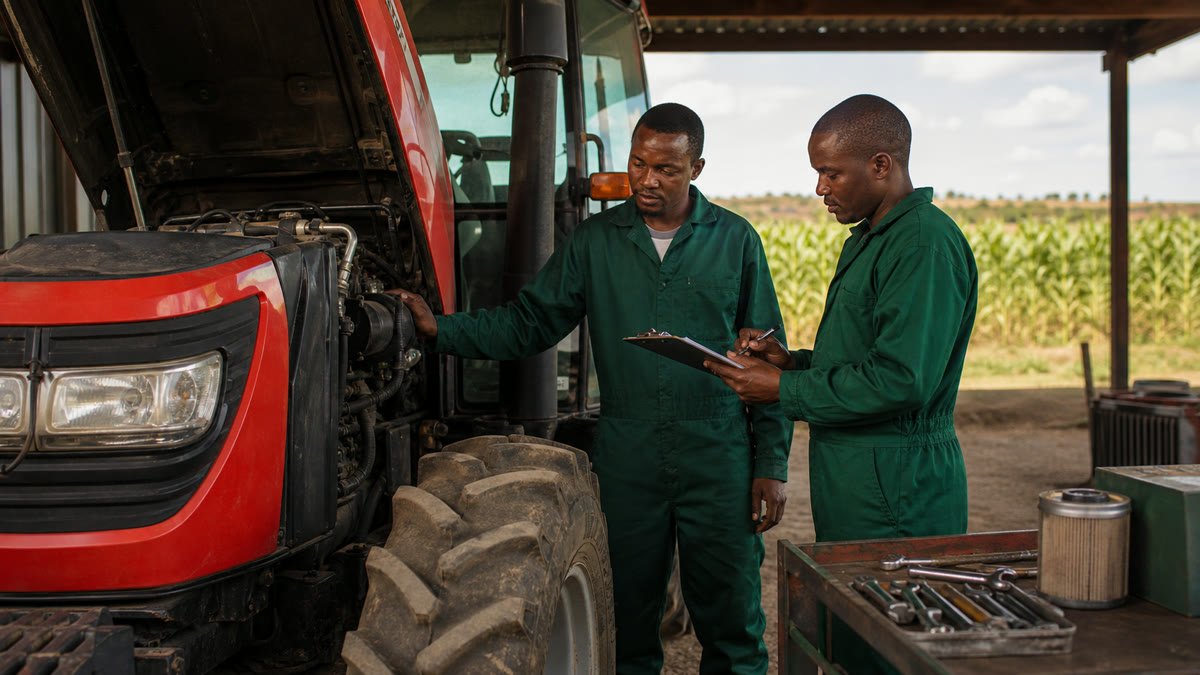
FAMA supports machinery records, drivers, service providers, repairs, spare parts, labour cost, fuel sources, fuel usage, next-service dates and management reports. These records sit beside farm inputs, staff, accounting, harvests and other operations in one tenant-isolated workspace. They help the farm create evidence for decisions; they do not diagnose mechanical faults, replace a qualified technician or guarantee lower fuel consumption.
Where machinery and fuel costs become hidden
Machinery cost is rarely one large line. It accumulates through fuel issues, routine service, breakdown labour, spare parts and lost operating time. If those records use different names for the same tractor, management cannot see the complete history. If fuel is entered only as a monthly purchase, there is no machine-level usage trail. If a repair is recorded without parts and labour detail, the next reviewer cannot compare it with earlier work.
The problem becomes more serious during planting and harvesting, when a machine is needed urgently and documentation feels secondary. A farm may approve repeated emergency repairs because nobody can quickly see what has already been spent. Structured records make that history easier to review before the next decision.
A practical machinery, fuel and maintenance workflow
1. Create one record for each machine
Begin with an asset directory that the team can recognize. Use a consistent machine name or identifier, record the machine type and status, and add the responsible driver where relevant. Avoid generic entries such as “tractor” when the farm operates several tractors. Every fuel, repair and service record should point to the correct asset.
2. Set up drivers, fuel sources and service providers
A machinery record becomes more useful when related people and suppliers are also consistent. FAMA can keep driver and service-provider records, together with fuel sources or tanks used by the farm. This helps management review activity by machine, driver, provider and date instead of trying to match free-text names later.
3. Record fuel as it is issued
Capture the machine, driver, quantity, date and source for each fuel issue according to the farm’s process. Fuel bought is not the same as fuel consumed by a particular machine. Keeping the purchase and the usage trail distinct helps accounts reconcile cost while the manager reviews operational use. The physical tank, dip readings and authorized issue process remain important controls outside the software.
4. Record each service or repair as a complete event
A useful service record shows the machine, date, provider, problem or work performed, spare parts, labour and cost. If the farm records only the final invoice total, it loses the detail needed to compare recurring faults or supplier charges. Attach the event to the correct asset and record the next service date when the maintenance process provides one.
5. Update spare-parts inventory
Spare parts should move from inventory into a documented repair or service event. That connection helps the store keeper explain why a part is no longer on the shelf and helps management see the full cost of the work. FAMA’s inventory records can also support stock value and low-stock review for critical parts the farm chooses to hold.
6. Review reports before authorizing more spend
Before approving another major repair, review the machine’s recent service, parts and fuel history. A high total is not automatically evidence that a machine should be replaced; the farm must consider its work, condition and alternatives. The record gives the owner and mechanic a shared factual starting point.
Machinery records and reports worth reviewing
The FAMA machinery and fuel module is designed around the records that explain operating cost. Useful management views include:
- a machine directory with status and assigned driver information;
- service history by machine, provider and date;
- repair, spare-part and labour cost records;
- next-service dates and operational reminders;
- fuel usage by machine, driver, source and period;
- spare-parts balances and inventory value;
- related expenses and profit/loss context through accounting reports; and
- printable or exportable reports for owner review.
A report should lead to a question, not an automatic conclusion. A machine may use more fuel because it worked longer, handled a heavier task or operated in different conditions. A provider may appear expensive because the service included a major part. FAMA organizes the evidence; managers still need the machine, work and supplier context.
A weekly exception review for farm managers
A short weekly review is often more useful than waiting for a large monthly reconciliation. Focus on machines with overdue or approaching service dates, fuel issues missing a driver, repairs without itemized costs, duplicate provider names, spare parts that have left stock without a related event, and a sharp change in fuel usage. Resolve gaps while drivers, store staff and mechanics still remember the work.
The accountant can then compare operational entries with invoices and expenses. The owner can review material exceptions instead of re-entering the data. This division of responsibility is supported by FAMA’s farm owner, farm manager, accountant and store keeper roles.
Buying checklist for farm machinery software
Ask a provider to demonstrate one named machine from setup through fuel, service and reporting. Check whether the system can show:
- separate records for several machines of the same type;
- drivers, fuel sources, service providers and spare parts;
- fuel issues by machine, driver and date;
- repair work, labour, parts and total service cost;
- next-service dates and service-history reports;
- inventory movement for parts used during a repair;
- permissions suited to managers, drivers, store keepers, accountants and owners;
- printable reports and exports; and
- how the machinery records connect with the wider farm cost picture.
Also ask how current assets and opening parts balances will be introduced, who will train users and which daily entries are expected. Avoid buying on the basis of a dashboard image. A real demonstration should use a recognizable tractor or machine, one recent fuel issue and one genuine service invoice with identifying details removed where necessary.
Implementation steps that preserve continuity
- List active machinery. Include machines currently in service and identify duplicates or retired assets separately.
- Collect recent records. Gather service invoices, parts issues, fuel records, provider contacts and next-service information.
- Agree on identifiers. Give each asset one name or code used by the driver, store, workshop and accounts team.
- Verify opening parts stock. Count critical spare parts before entering the starting balance.
- Assign roles. Decide who records fuel, who records service work, who checks invoices and who reviews reports.
- Start with new events. Use a clear cut-off date and add older history only where it supports a real decision.
- Test one complete month. Compare fuel and service records with physical controls and accounting documents.
- Schedule exception reviews. Make weekly gaps and monthly cost review part of the farm routine.
Maintenance software does not replace safe mechanization
Good records support planning, but machinery must still be operated and serviced according to competent technical guidance and the manufacturer’s requirements. The FAO Sustainable Agricultural Mechanization programme explains why appropriate machinery, skills and responsible management matter across the equipment life cycle. FAMA can preserve service and fuel history; the farm remains responsible for safe operation, inspection and qualified repair work.
How machinery records connect to the rest of the farm
A tractor does not operate in isolation. It supports an owned field or rented lease, uses fuel and spare parts, has a driver, generates service expenses and contributes to a farming period. The broader FAMA farm management system keeps these operational areas in the same workspace. That reduces the need to rebuild a management picture from a workshop book, fuel sheet, staff file and accounting spreadsheet.
The connection is most useful when responsibilities are clear. A manager records operations, a store keeper handles parts, an accountant checks cost, and the owner reviews reports. The system supports the trail, while the farm decides which approvals are required.
Frequently asked questions
Can FAMA track tractors and other farm machines?
Yes. FAMA supports machinery records, drivers, services, repairs, spare parts, fuel usage and related reports for farm equipment.
Can fuel be reviewed by machine and driver?
Yes. The demonstrated module includes fuel usage reporting by machine, driver and date. The farm still needs physical fuel controls and accurate entries.
Does FAMA send a mechanic or diagnose a fault?
No. FAMA records service providers, work, parts, labour, cost and service dates. Mechanical assessment and repair remain the responsibility of qualified people.
Can spare parts be included in inventory?
Yes. FAMA’s inventory features cover spare parts and tools alongside other farm stock. Clear issue records are needed when a part is used.
Where can I compare all FAMA modules?
Visit the FAMA home page and review FAMA features, including inputs, machinery, staff, inventory, accounting and reports.
Test the workflow with one real tractor
Request a focused demonstration using a recent fuel issue, one service invoice, the parts used and the next service date for an actual machine. FAMA can then be assessed against the records your manager, store keeper and accountant already handle.